
Understanding the Benefits of Argon Gas in Wine Storage


Intro
Wine, often carved from the spirit of its surroundings, is as sensitive as it is cherished. From the first pour to the last drop, maintaining its integrity is a task that involves more than just a cork. One of the most intriguing solutions gaining traction among wine enthusiasts is the use of argon gas.
What merits this inert gas attention in the wine preservation arena? It all stems from its capacity to reduce oxidation, preserving the delicate flavors and aromas locked within each bottle. Let's embark on a journey to understand not only the science behind this preservation technique but also its practical implications for connoisseurs and casual drinkers alike.
Understanding Argon Gas
Argon gas plays a crucial role in the wine preservation landscape. As a noble gas, it is chemically inert, meaning it does not react readily with other substances. This makes argon uniquely suited for preserving wine, as it can effectively displace oxygen in a bottle without altering the wine’s chemical composition. The increasing popularity of argon wine savers among wine enthusiasts is based on its ability to maintain a wine's integrity and flavor over time.
One key benefit of understanding argon gas lies in its unique properties.Because it is heavier than air, argon can create a protective blanket over the wine, minimizing the exposure to oxygen that leads to oxidation. Wine preservation strategies that employ argon technology allow for longer storage periods without compromising quality.
Additionally, the non-reactive nature of argon means that it won't introduce unwanted flavors or alter the chemical balance of the wine. Rather, it preserves the wine’s original bouquet and palate profile, allowing aficionados to enjoy their wines as if they were just opened.
So why should wine lovers pay attention to argon? The short answer is that for those who appreciate a bottle’s complexity and nuanced flavors, knowledge of argon’s benefits paves the way for enhanced wine experiences. Understanding how to utilize this gas can significantly impact both casual drinkers and serious collectors alike.
"In a world where quality is king, understanding argon gas represents a step towards smarter wine enjoyment."
Chemical Properties of Argon
Argon is a colorless, odorless gas, making it almost unnoticeable to the senses. It is an elemental gas, with the symbol ( Ar ) and atomic number 18. As a member of the noble gases group, it is non-toxic and non-flammable. Its chemical stability stands out as it does not form compounds easily, which is key in its application for wine preservation. Argon's density is approximately 1.78 times that of air, allowing it to form a layer above the wine when introduced into a bottle. This characteristic helps to actively eliminate oxygen contact, which is a significant player in wine spoilage.
Additionally, argon is abundant in Earth's atmosphere, accounting for about 0.93% of the air we breathe, so sourcing it is not a challenge. This abundance, coupled with its chemical inertness, makes argon a practical choice for wine preservation systems.
Role in Wine Preservation
The role of argon in wine preservation cannot be overstated. As wines are exposed to air, oxidation occurs, leading to undesirable changes in flavor and aroma. This is where argon comes into play. By filling the space inside a wine bottle after opening, argon effectively acts as a barrier, preventing oxygen from infiltrating and compromising the wine's quality.
Implementing argon gas in wine storage can yield noticeable long-term benefits. Wines can retain their intended taste for much longer periods compared to traditional methods like corking. Collectors, for example, might find that using argon allows them to store prized bottles for years without that dreaded oxidation impact. This simple yet effective method means that each pour can taste as fresh and vibrant as the first, preserving the care and artistry that went into the winemaking process.
Mechanics of Wine Oxidation
Understanding the mechanics of oxidation in wine is crucial for anyone serious about preserving the integrity and flavor of their cherished bottles. Oxidation is often portrayed as the villain in the wine storage world, and rightly so. It’s a natural chemical reaction that involves the interaction between wine and oxygen, leading to changes that can, over time, diminish the quality of the wine. For wine lovers, grasping these dynamics opens the door to better storage practices and helps in appreciating the craft behind wine production.
What Happens During Oxidation
When wine is exposed to oxygen, several things kick into gear. Initially, the process can be subtle, with oxygen molecules gradually bonding with compounds in the wine. These compounds include phenolic compounds, which play a role in the wine’s color and taste. In small amounts, oxygen can enhance the complexity of a wine, allowing it to develop desirable aromas and flavors. However, don’t let this fool you.
As oxidation continues unchecked, it starts to reveal its darker side. At this stage, it may lead to spoilage, characterized by off-putting aromas of vinegar or wet cardboard – an unwelcome surprise for anyone indulging in a bottle of their favorite vintage. This shift often occurs due to the breakdown of polyphenols in the wine, causing an accelerated aging process and loss of freshness.
"Wine is sunlight, held together by water." - Galileo
Impact on Wine Flavor Profile
The impact of oxidation on wine flavor profile cannot be overstated. With controlled exposure, it can enrich the wine's characteristics, resulting in notes that dance on the palate – think of rich, warm spices in a bold red or a bright citrus zing in a crisp white. Yet, the line between enhancement and degradation is razor-thin. As oxygen continues to infiltrate, even the most exquisite wines can become shadows of their former selves.
Factors contributing to how oxidation influences the taste experience include:
- Varietal Sensitivity: Different grape varieties react differently to oxygen. For instance, Cabernet Sauvignon often benefits from a bit of air, developing complex secondary notes, whereas delicate Pinot Noir can quickly succumb to unwanted flavors.
- Wine Age: The age of the wine inherently determines its resilience against oxidation. Younger wines are typically more susceptible, while older wines might have more complex structures that protect against rapid spoilage.
- Storage Environment: Managing exposure to sunlight, fluctuating temperatures, and humidity levels fundamentally affects oxidation. Wine stored in a dark, cool, and stable environment will fare much better against the perils of oxidation.
In essence, mastering the mechanics of wine oxidation equips enthusiasts with insights on preserving and enjoying their selections to the fullest. By leveraging tools like argon gas wine savers, they can create an environment that minimizes oxidation, ensuring each glass reflects the true essence of the wine.
How Argon Wine Savers Work
Understanding how argon wine savers function is crucial for anyone who’s looking to keep their wine in prime condition. Unlike traditional methods that might invite oxygen into the bottle, argon gas, being denser than air, creates a protective layer over the wine. This layer serves as a shield against oxidation, thus preserving the delicate nuances of flavor and aroma. By grasping the mechanics behind these wine savers, enthusiasts can significantly enhance their wine storage techniques.
Concept of Inert Gas Blanket
The idea of an inert gas blanket revolves around minimizing the contact of wine with oxygen. Argon, in particular, is a noble gas which doesn’t react with other substances; it’s as quiet as a church mouse. By filling the space above the wine with this gas, you create a buffer that prevents oxygen from creating unwanted reactions.
- Density and Positioning: Being denser than air, argon naturally sits atop the wine, ensuring it stays in constant contact, while the oxygen is pushed away, limiting any oxidation process.
- Flavor Preservation: Wines, especially delicate whites and complex reds, are finely balanced with various flavor compounds. The inert gas blanket helps preserve these characteristics, allowing the wine to maintain its intended profile for longer.
- Practical Usage: Many wine savers come equipped with specialized canisters or devices to inject argon directly into the bottle. This convenient method allows for a minimal fuss when it comes to preserving opened bottles.
"By using argon as a protective layer above the wine, we can retain its flavor integrity over extended periods, leading to a better drinking experience."
Argon Systems Vs. Other Gases
When comparing argon systems with other gas preservation methods, it’s essential to highlight the unique properties that set argon apart. While options like nitrogen and carbon dioxide also serve to displace oxygen, they come with their own set of downsides.
- Inert Nature: Argon doesn't chemically react with wine components, ensuring that your wine's flavor remains unaltered. On the other hand, nitrogen may give a slightly different mouthfeel, while carbon dioxide could alter the wine's carbonation and taste.
- Density: As noted earlier, argon’s density allows it to perform effectively at the top of the bottle. Nitrogen, although lighter, may not provide the same shielding effect.
- Oxygen Replacement: Argon systems replace oxygen more efficiently, reducing the risk of spoilage and making it a preferred choice.
Ultimately, selecting argon over other gases for preserving wine can make a significant difference, especially for collectors looking to minimize oxidation and maintain the distinct qualities of their wines over time.
Comparative Analysis of Wine Preservation Methods
Understanding the various methods of wine preservation is essential for any wine enthusiast or collector. When one reflects on the often costly nature of fine wines, ensuring these bottles are kept in optimal condition becomes a priority. This section explores traditional preservation techniques alongside modern advances, particularly those utilizing argon gas, fostering a clear view of their strengths and weaknesses.
Traditional Preservation Techniques
Before the advent of modern technology, wine preservation relied heavily on age-old practices. These methods, while effective in certain respects, often come with limitations. Here are some common traditional techniques:
- Corking and Bottle Sealing: The tried-and-true method involves sealing the bottle with a cork that can expand or contract according to the temperature of the wine. However, over time, corks can allow oxygen to seep in, setting the stage for oxidation.
- Decanting: This involves transferring wine from the bottle to another container. The intention is to let it breathe, but once the wine is exposed to air, it may start its oxidation journey, leading to a loss of flavor over time.
- Refrigeration: Storing opened bottles in a standard fridge could prolong a wine's life, but not all wines are suited for such unpredictable environments. A fluctuation in temperature can negatively affect the wine’s taste.
Benefits:
- Cost-effective and accessible with minimal investment required.
- Familiarity among many consumers.
Considerations:
- Often doomed for failure due to improper storage conditions.
- Not all wines respond well to these techniques, leading to variability in preservation success.
The limitations of these traditional methods highlight a gap, leading the way for innovations that can address the specific challenges of maintaining wine quality.
Modern Advances Using Argon
In the realm of wine preservation, argon gas stands out as a transformative technology. As a heavier-than-air inert gas, argon displaces oxygen in the bottle, significantly reducing the chance of oxidation. Here are some modern advances that leverage argon gas for better preservation:
- Argon Wine Savers: Portable or integrated systems utilize argon gas to create an anoxic environment within the bottle. Unlike traditional methods, these devices can be deployed quickly after opening a bottle, offering a swift solution to seasonal wine drinkers or those who open multiple bottles at once.
- Wine Dispensing Machines: Found in many wine bars and restaurants, these machines rely on argon gas to keep opened wines fresh. They enable consumers to enjoy a glass without the fear that the remaining wine will spoil quickly.
- Example: An Argon wine preservation system can often preserve wine for weeks or even months, compared to mere days with conventional methods.
- Example: Machines like the Enomatic allow patrons to taste premium wines by the glass while keeping the rest of the wine securely preserved.
Benefits:
- Maximizes flavor retention by diminishing oxidation risks.
- Allows longer-term storage of opened bottles compared to traditional practices.
Considerations:
- Initial investment can be higher, especially for integrated systems.
- Requires understanding of proper usage to maximize effectiveness.
By evaluating both traditional and modern techniques, it's evident that argon gas provides a substantial leap forward in wine preservation. As technology continues to evolve, wine lovers can look forward to enhancements that improve not only preservation aspects but also overall enjoyment and appreciation of their cherished collections.
“In the end, the methods we choose speak volumes about our commitment to preserving the art of winemaking.”
Ultimately, the comparison underscores a vital point: investing in modern solutions like argon systems may prove necessary for wine collectors looking to safeguard their investments.
Types of Argon Wine Saver Devices
When it comes to preserving the delicate notes and character of fine wines, having the right tools can make all the difference. The types of argon wine saver devices available in the market cater to diverse preferences and wine storage needs. Understanding these various devices is essential for wine enthusiasts aiming to maintain their collections at optimal quality. Let’s explore the depth of handheld devices and integrated systems, two major categories that serve this purpose while highlighting their unique benefits and considerations.
Handheld Devices
Handheld argon wine savers present a practical solution for those who enjoy sipping wine without the need for an elaborate setup. These devices are essentially portable canisters filled with argon gas, which users can easily spray into an opened bottle of wine before sealing it. This method creates a protective layer of gas that acts as a barrier against oxidation.
Benefits of Handheld Devices:
- Portability: Ideal for events or gatherings, they can be carried along with wine bottles, ensuring protection wherever you go.
- Ease of Use: Just point and spray; there's no need for complicated installation or setup.
- Cost-Effectiveness: Generally more affordable than integrated systems, making them a suitable choice for casual wine drinkers or those just starting in the hobby.
When choosing a handheld device, consider factors such as the canister's lifespan, ease of refilling, and whether it can be used with different bottle sizes. Storing argon canisters in a cool place ensures they last longer and remain effective when needed.
Integrated Systems
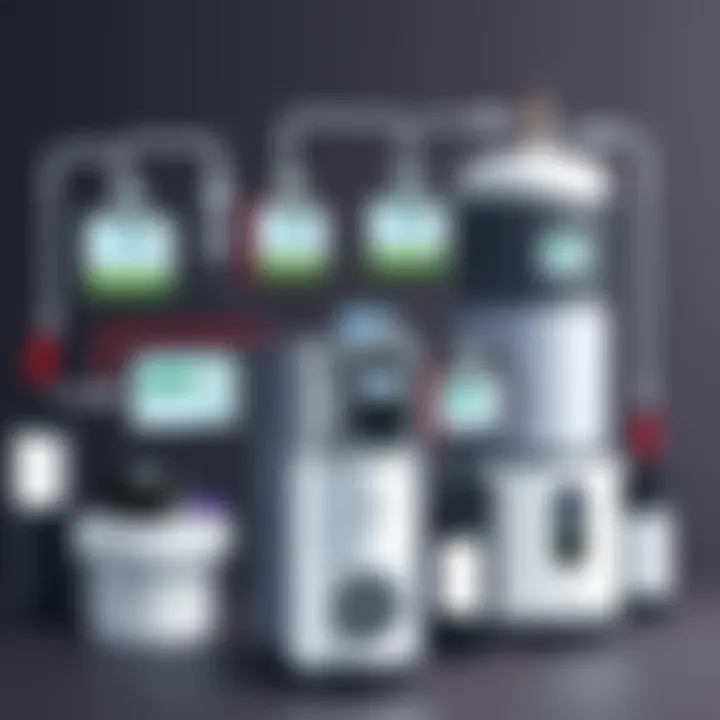
On the other hand, integrated argon wine saver systems are designed for serious collectors and connoisseurs who wish to maintain larger collections of wine. These devices typically involve a more complex mechanism, allowing multiple bottles to be preserved simultaneously. They often feature a built-in argon tank that feeds gas directly into the bottles as they are opened, creating an automated process for maintaining wine quality.
Benefits of Integrated Systems:
- Scalability: Ideal for homes with extensive wine collections, these systems usually have the capacity to handle several bottles at once.
- Convenience: The automated aspects mean less hassle and more time to enjoy wine, as users don’t need to manually apply gas each time they open a bottle.
- Aesthetic Appeal: Often designed with elegant finishes, they can add a touch of sophistication to any wine storage units or cellars.
When considering an integrated system, it's important to evaluate the wine cooler’s compatibility with your collection, the ease of installing the system, and how often the argon canister needs to be refilled. Moreover, some advanced models may include features like temperature control or smartphone connectivity, elevating user experience even further.
The choice between handheld devices and integrated systems ultimately depends on personal preference, usage frequency, and how extensive your wine collection is.
Evaluating the Market
Evaluating the market for argon wine savers is not just another step on the roadmap; it's crucial for any wine enthusiast seeking to safeguard their precious bottles. Given the plethora of options available, knowing which devices stand out based on functionality and user satisfaction can save time and money. The stakes are especially high for collectors or dedicated connoisseurs who understand that even a minor misstep can lead to disappointing outcomes in flavor and aroma.
Through an in-depth analysis of the market, one can appreciate the specific elements that influence consumer choices. It’s not solely about finding the cheapest gadget on the shelf; considerations include the materials used, ease of operation, and the technology behind the argon systems. These factors directly affect the preservation effectiveness and overall user experience.
Top Argon Wine Savers
When delving into the selection of top argon wine savers, understanding the leading brands is essential. Below are some notable devices that consistently receive high marks among consumers:
- Coravin Model Eight: This model is often hailed as a game-changer due to its innovative needle technology, allowing pour without removing the cork. Users appreciate its sleek design and ease of use, although it tends to come with a higher price tag.
- Private Preserve: Ideal for more casual wine drinkers, this device offers a cost-effective solution. Its simplicity is a key advantage, providing an easy way to apply an argon layer to protect unfinished wine.
- WineKeeper: Aimed at those who have a substantial collection, this system provides an integrated preservation option that is ideal for maintaining multiple bottles at once. The choice of either still or sparkling wine is an added bonus, proving versatility.
Each of these products caters to different needs, from the occasional drinker to the serious collector, making it vital to select a saver that aligns with one’s drinking habits and budget.
Consumer Reviews and Feedback
Taking a peek at consumer reviews helps illuminate the real-world performance of these products. Feedback provides insightful perspectives that can often reveal issues not immediately apparent to potential buyers. For instance, while some users rave about the preservation capabilities of the Coravin, others express frustration over the cost of replacement parts like the needles and gas canisters.
According to reviews on platforms like Reddit and Facebook, many enthusiasts recommend reading through comments to understand both perks and pitfalls before making a purchase.
"Investing in a proper wine saver transforms your sipping experience. You owe it to your palate to choose wisely!" – A Wine Enthusiast
The general consensus suggests that ease of use and product reliability hold significant weight in user satisfaction. Some users even report improved wine quality over time, attributing it to keeping oxidation in check with argon technology. Ultimately, making an informed choice based on collective experiences can lead to a satisfactory purchase that enhances the wine enjoyment journey.
Considerations for Purchase
When it comes to buying argon gas wine savers, several factors play a vital role in making the right choice. Being equipped with the right information not only helps in selecting the ideal device but also ensures that your investment brings long-term value. This section elaborates on the essential considerations to keep in mind while shopping for these preservation tools.
Price versus Value
The relationship between price and value in argon gas wine savers cannot be understated. While it may be tempting to opt for the most affordable option, it’s crucial to assess what you're getting for your money.
- Initial Cost: Typically, basic handheld devices might lure you in with their low price. However, they might not have the same longevity or performance standards as higher-end models.
- Quality of Materials: More often than not, a higher price tag translates to better materials and construction. Devices made with durable stainless steel or sturdy plastics may just last longer than cheaper alternatives made from flimsy materials.
- Capacity and Features: Consider also what kind of features come with the device. Does it have a larger gas canister for more refills, or is it designed to fit right into your wine cabinet? The initial cost should be weighed against added benefits such as ease of use, additional attachments, or features like automatic gas dispensing.
"Investing in a quality argon wine saver today could save you years of wasted wine and money."
Understanding the long-term savings linked to maintaining the integrity of your wine collection can shift your perspective.
Ease of Use and Maintenance
Simplicity should be at the forefront of any wine saver's design. A device that is challenging to operate may lead to frustration, less frequent use, or even incorrect operation, which can undermine its intended purpose.
- User Interface: Look for devices with intuitive controls. Some models even come with LED indicators showing gas levels, which foster a user-friendly experience. If the device has confusing buttons or lacks clear instructions, it might end up gathering dust rather than preserving your finest bottles.
- Cleaning Requirements: Maintenance shouldn't turn into a chore. Certain models allow for easy disassembling for thorough cleaning, while others may not provide as much convenience. A device that’s simple to clean and maintain ensures you’ll use it regularly.
- Storage Considerations: Evaluate whether the wine saver fits comfortably within your storage solutions, without demanding excessive space or creating any logistical headaches in your wine cabinet.
In summary, the right balance of price and value, along with ease of use and maintenance, plays an instrumental role in making a thoughtful purchase when it comes to argon wine savers. Choosing thoughtfully can enhance not just your purchasing satisfaction but also your overall wine experience.
Practical Application Guidelines
When it comes to preserving the integrity of wine, understanding the practical application of argon gas is crucial. Employing an argon wine saver isn’t just about keeping your wine fresh; it’s about ensuring that each sip delivers the intended flavor profile and experience that the winemaker originally crafted. This section aims to illuminate the specifics of effectively using an argon saver and the optimal storage conditions to maximize results.
How to Use an Argon Saver Effectively
Using an argon wine saver is fairly straightforward but involves a few critical steps to ensure effectiveness. Here's a step-by-step guide on how to go about it:


- Preparation: Start by prepping your wine bottle properly. Make sure the bottle is clean and dry. Any residue can lead to undesired flavors seeping into your wine.
- Pour and Replace: After pouring your desired amount of wine, immediately replace the cork or stopper. This helps to minimize the exposure of the remaining wine to air.
- Introduce Argon Gas: Hold the wine saver nozzle above the opening of the bottle, and depress the trigger to release the argon gas into the bottle. It’s essential to keep the nozzle above the wine surface to create an effective blanket over the liquid. Generally, a few short bursts should suffice.
- Seal the Bottle: Quickly seal the bottle with a cork or the closure provided with your saver. This closure needs to be airtight to prevent any gas from escaping.
- Store Properly: Place the bottle upright, rather than lying down, to maintain the integrity of the closure. A good wine rack will also ensure that bottles are stored in suitable conditions away from light.
Utilizing an argon gas saver isn’t just a quick fix; it’s a methodical approach to wine preservation that relies on timeliness and precision. If done right, this technique can significantly lengthen the life of your opened wine bottles, keeping them enjoyable for days, if not weeks.
Storage Conditions for Optimal Results
Storing wine properly after utilizing an argon saver is just as important as using the device correctly. The environment where the wine is kept can profoundly influence its quality over time. Here are key storage conditions to keep in mind:
- Temperature: Aim to store the wine at a stable temperature between 50°F and 57°F (10°C to 14°C). Fluctuations in temperature can cause expansion and contraction of the wine, potentially compromising the seal and introducing oxygen.
- Humidity: Ideally, you want a humidity level around 70%. Too much dryness can cause corks to shrink, letting wine escape and oxygen in, while excessive humidity can lead to mold and spoilage.
- Light Exposure: Keep your wine in a dark space away from harsh light. UV rays can degrade wine, leading to off-flavors and aromas over time. Consider using a wine cellar or a dark closet for storage, if possible.
- Vibration: Wines should be stored in a vibration-free environment. Even minor vibrations can disturb the sediments in the wine and disrupt the aging process.
The Science Behind Wine Storage
Understanding the science surrounding wine storage sheds light on how certain conditions can dramatically impact the quality of wine. When it comes to preserving the nuanced aromas and flavors of wine, factors such as temperature, humidity, and light exposure cannot be overlooked. By mastering these elements, anyone seeking to prolong the enjoyment of their wine collection can thwart the inevitable oxidation that comes with exposure to air.
Temperature and Humidity Considerations
Temperature precision plays a pivotal role in the storage of wine. Too high a temperature can accelerate chemical reactions within the bottle, which may lead to the wine aging prematurely. Ideally, one should aim for a storage temperature around 55°F (13°C), but slight fluctuations can be tolerable.
Humidity, on the other hand, affects the cork integrity. At low humidity levels, corks can dry out and let air seep into the bottle, causing oxidation. High humidity can encourage mold growth on the cork, which could spoil the wine. A relative humidity of about 70% is often considered optimal for storing wine.
In practical terms, maintaining these conditions might require investing in a quality wine fridge or cellar, ensuring that the wine remains in a stable environment. Consistently high or low temperatures can lead to irreversible changes in taste and aroma—what could be a delightful Cabernet Sauvignon might one day taste more like vinegar if stored improperly.
Impact of Light Exposure
Beyond temperature and humidity, light exposure is another critical factor in wine storage. UV rays found in sunlight can degrade and prematurely age wine, altering its taste and color profile. Many wines are bottled in dark glass to combat this effect, but it's not foolproof.
Wine should be kept in a dark place, away from direct sunlight. Additionally, even fluorescent lights can emit UV rays, so avoiding these when storing wine is also smart. If you're displaying your collection, consider LED lights, which emit less heat and are generally UV-free.
"Wine can be much like a delicate flower; it thrives under the right conditions, yet wilts when faced with harsh realities."
Future of Wine Preservation Technology
As wine lovers continue to seek the best ways to maintain the integrity of their favorite vintages, the future of wine preservation technology sits at a crucial junction. The conversation revolves around innovations that promise not only to enhance the flavor retention of opened bottles but also to cater to the increasing awareness about sustainable practices in winemaking and consumption. By understanding how advancements in technology can reshape the landscape of wine storage, enthusiasts can make informed choices that align with both their taste and their values.
Emerging Innovations
The current wave of innovations in wine preservation is heavily focusing on the use of inert gases such as argon, which has emerged as a frontrunner in maintaining wine quality. Manufacturers are consistently refining systems that deploy argon in new and creative ways.
One notable innovation is the development of "smart" preservation devices. These gadgets not only inject argon into the bottle but also feature sensors to monitor oxidation levels, letting users know when it’s time to replace the gas. Additionally, some systems now integrate seamlessly with apps on smartphones, sending reminders and tips for optimal storage conditions.
Another trend is the compactness of wine preservation devices. Modern argon wine savers are becoming more sophisticated while shrinking in size. They can fit right alongside your cherished bottles without taking up substantial space, allowing for elegant home decor as well as function.
• Portable units offer for on-the-go preservation, making wine appreciation a casual pleasure rather than an event.
• Automated chamber systems are gaining ground in high-end wineries, where maintaining multiple bottles under varying conditions is a requirement.
This convergence of technology makes it easier for both casual drinkers and serious collectors to avoid the dreaded spoilage, creating an environment where consumers can truly savor their wine experiences without skimping on quality.
Predicted Trends in Consumer Preferences
Looking ahead, trends indicate a shift in consumer behavior toward more tech-driven solutions for wine preservation. Increasingly refined palates demand not only excellent taste but also an assurance that the wine remains true to its intended profile even days after opening.
The ecological impact of wine preservation is starting to weigh on consumer choices too. Brands that highlight sustainability, promoting argon gas as a non-toxic alternative for minimizing waste, may gain a competitive edge. This aligns with the growing preference for eco-friendly products in many areas of consumer goods.
Moreover, as wine collectors and connoisseurs become well-versed in the science behind preservation methods, they are likely to favor systems that showcase transparency and ease of use. Features such as detailed tracking of gas levels, compatibility with different bottle types, and user-friendly interfaces will resonate strongly.
In summary, the road ahead for wine preservation technology looks promising. Innovations around argon gas systems are not just about maintaining flavor; they emphasize an evolving relationship with wine that embraces sustainability, user empowerment, and enhanced enjoyment.
The End
Understanding the implications of argon gas as a wine saver is essential for anyone invested in preserving wine quality. This article has shed light on various aspects of how argon operates effectively to curb oxidation, ensuring that each sip taken retains the flavors and aromas that wine enthusiasts cherish. The detailed exploration of the gas's chemical properties, the mechanics of wine oxidation, and practical applications of argon wine savers is vital for collectors and casual drinkers alike.
Summation of Key Points
In summation, the efficacy of argon gas in wine preservation can be encapsulated in several key insights:
- Reduction of Oxidation: Argon, being an inert gas, forms a protective layer above the wine, minimizing contact with oxygen.
- Preservation of Flavor: By reducing oxidation, argon helps maintain the wine’s original flavor profile and bouquet for a longer period.
- User-Friendly Devices: A variety of argon wine savers are available, ranging from handheld devices to integrated systems, catering to diverse user preferences.
Final Thoughts on Argon Gas Wine Savers
As we look ahead, argon gas wine savers undoubtedly represent a practical solution for extending the life of cherished bottles. In a world where wine appreciation is both an art and a science, understanding how to harness advancements in technology like argon preservation can elevate one's experience. For the discerning wine lover, the choice to employ argon gas should be seen as a proactive measure, ensuring that every bottle remains as close to its original state as possible.
Whether you're a collector with rare vintages or a casual drinker who desires great tasting wine without the need to consume it all in one sitting, argon gas wine savers offer a bridge to optimal wine enjoyment over time. With the knowledge gained through this article, enthusiasts can now make informed decisions that will undoubtedly enhance their wine-tasting journey.